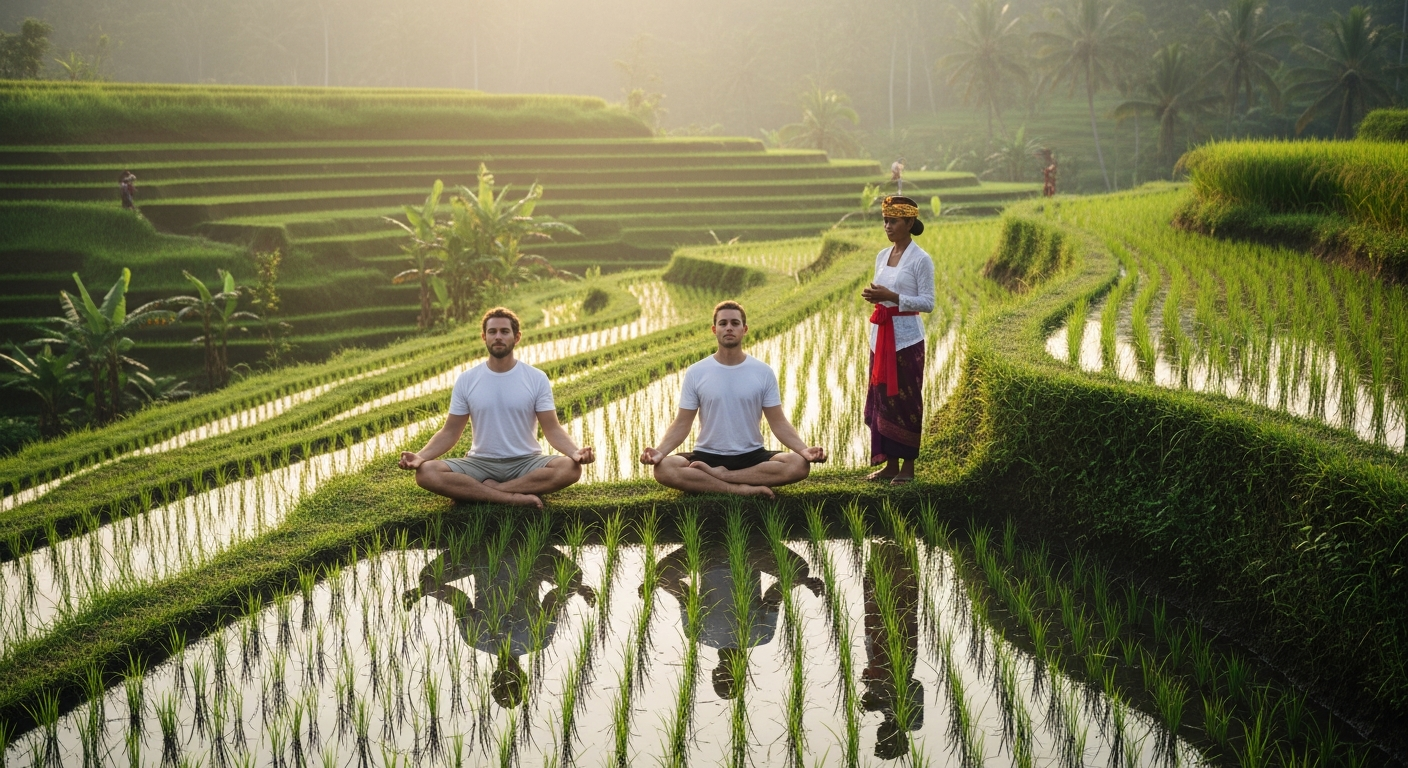
The air in Ubud carries the scent of frangipani and burning incense, a subtle invitation. Each breath here is a quiet affirmation. This island, famed for its profound healing traditions, moves to its own rhythm, a pulse dictated by seasons, ceremonies, and the very flow of nature. To truly connect with Bali holistic healing, understanding this rhythm is paramount.
The Dry Season: Clarity and Connection (April to September)
From April through September, Bali embraces its dry season, a period characterized by clear skies, lower humidity, and abundant sunshine. This window is often considered prime for those seeking an active, outwardly focused healing journey. Daily temperatures average 27°C, with humidity hovering around 75%, creating comfortable conditions for outdoor practices. The days are long, offering ample daylight for sunrise yoga sessions overlooking rice paddies or invigorating treks through the Campuhan Ridge Walk in Ubud. This season facilitates a vibrant energy, ideal for group retreats and workshops involving physical movement, such as dynamic breathwork or mindful martial arts.
Many international visitors arrive during July and August, coinciding with northern hemisphere summer holidays. While popular, these months see higher accommodation rates and more crowded healing centers. For instance, a typical 7-day holistic retreat in Ubud might see a 15-20% price increase during these peak periods. The ocean currents are generally calmer along the southern coasts, making water-based therapies like Watsu or sea salt cleanses particularly appealing. The dry earth supports extensive exploration of Bali’s spiritual sites; Pura Tirta Empul, a water temple dedicated to purification, remains accessible and inviting. An estimated 1.5 million international tourists arrived in Bali during July 2023 alone, demonstrating the season’s popularity. This period is also perfect for exploring the Subak irrigation system, a UNESCO World Heritage site, by foot or bicycle, connecting with the island’s agricultural heart. The clear skies also present opportunities for stargazing during evening meditation sessions, enhancing the sense of cosmic connection.
The Wet Season: Reflection and Renewal (October to March)
As October unfolds, Bali transitions into its wet season, extending through March. This period, often misconstrued by first-time visitors, offers a profoundly different, yet equally potent, healing experience. The landscape transforms, becoming intensely verdant and lush, nourished by daily tropical showers that typically last for an hour or two in the afternoon. Average temperatures remain warm, around 29°C, but humidity rises to 85-90%. This creates a dense, introspective atmosphere, conducive to inner work and deep contemplation. The island exhales, washing away dust and inviting a sense of quietude.
Fewer international travelers arrive during these months, meaning quieter healing spaces and often more personalized attention from practitioners. Retreats focusing on sound healing, such as gongs and singing bowls, or intensive energy work sessions, find a unique resonance within the soft, humid air. Traditional Balinese medicine (Usada Bali) often emphasizes balance and purification, and the cleansing rains can metaphorically mirror internal detox processes. For example, a traditional Balinese ‘boreh’ spice scrub followed by an herbal bath feels particularly restorative amidst the cool, rain-kissed air. The average monthly rainfall in January, the peak of the wet season, can exceed 300mm, yet sunshine hours still average 6-7 per day. This season also brings a bounty of fresh tropical fruits, integral to many detox and plant-based healing programs. Sidemen, known for its tranquil rice terraces and authentic village life, offers an especially serene backdrop during the wet season, inviting profound stillness and a deeper connection to nature’s cycles. The quiet allows for heightened sensory awareness during mindful eating practices and silent meditation retreats.
Shoulder Seasons: The Savvy Seeker’s Window (March-April, September-October)
For the discerning seeker, Bali’s shoulder seasons present an ideal balance, offering the best of both worlds. These periods – late March to early April and late September to early October – bridge the dry and wet seasons, providing pleasant weather with fewer crowds and often more competitive pricing. During these transitional months, the sun shines consistently, but the air retains a refreshing quality, and the landscapes remain vibrant. Average daily temperatures hover around 28°C, with a manageable humidity of about 80%. This makes outdoor activities comfortable while allowing for the lush beauty characteristic of the wetter months.
Booking a Ubud retreat during these windows means enjoying the serenity of popular spiritual sites like Goa Gajah (Elephant Cave) with fewer fellow visitors. Airfares and accommodation costs can be 10-20% lower than peak dry season rates, making extended stays for deeper healing more accessible. This is an opportune time for focused workshops, such as advanced breathwork techniques or intensive Ayurvedic consultations, where personalized attention is key. The transition of seasons also often aligns with specific natural cycles, offering unique energies for plant medicine journeys or shamanic healing ceremonies. Many local practitioners, including Balinese Balian healers, may have greater availability during these less crowded times. For instance, booking a session with a Usada practitioner, whose lineage often dates back generations, can be more straightforward. The month of April, in particular, offers a sweet spot: the rains have subsided, the air is clean, and the island buzzes with a gentle pre-peak energy. Similarly, October retains the dry season’s warmth but introduces occasional, refreshing showers, nurturing the rice paddies back to their vibrant green. This balance allows for both active exploration and quiet contemplation within a single healing journey.
Beyond Weather: The Balinese Calendar and Spiritual Timing
The rhythm of Bali extends far beyond meteorological seasons; it is intricately woven with the island’s spiritual calendar. The Balinese Pawukon calendar, a 210-day cycle, alongside the Saka lunar calendar, dictates the timing of countless ceremonies and temple festivals. These events are not merely spectacles; they are profound expressions of faith and energy that permeate the entire island. Aligning your Bali holistic healing journey with these spiritual cycles can significantly amplify its transformative power. For example, during Galungan and Kuningan, periods of intense spiritual activity occurring every 210 days, the veil between worlds is believed to thin. The island resonates with offerings, prayers, and community gatherings, creating a palpable sense of spiritual elevation.
Nyepi, the Balinese Day of Silence, is another pivotal moment, occurring annually according to the Saka calendar (typically in March). On this day, the entire island observes complete silence, introspection, and fasting for 24 hours, shutting down airports and all activity. While it means no travel, participating in a Nyepi retreat offers an unparalleled opportunity for deep meditation, inner stillness, and profound energetic reset, making it a unique healing experience. Many high-end retreats offer specialized programs around Nyepi, focusing on silent meditation and introspection. Understanding these cycles provides an insider’s perspective: a healing journey during a major ceremony means experiencing Bali at its most spiritually vibrant, while a visit during Nyepi offers a rare window into ultimate tranquility. The energy of these collective prayers and offerings, often involving thousands of local residents, creates a powerful field that can support personal healing intentions. Consider consulting the Balinese calendar for the upcoming year to identify these potent windows. Wikipedia provides detailed information on the Pawukon and Saka calendars.
Location Specifics: Ubud, Sidemen, Canggu – Microclimates and Modalities
Bali’s diverse geography means that seasonality affects different regions in distinct ways, influencing the ideal setting for specific healing modalities. Ubud, the island’s spiritual heart, sits at an elevation of approximately 200 meters above sea level. This elevation contributes to slightly cooler temperatures and a noticeably lush environment year-round. During the dry season, Ubud offers comfortable conditions for outdoor yoga and rice paddy walks, while the wet season transforms it into a verdant sanctuary, perfect for indoor practices like deep meditation, sound baths, and traditional Balinese massage. The dense foliage and frequent rain create a cocoon-like atmosphere, enhancing the sense of privacy and introspection.
Sidemen, often referred to as Bali’s “authentic heart,” lies in a valley further east, offering a quieter, more rural healing experience. Its microclimate mirrors Ubud’s but with an even greater sense of tranquility. The dry season allows for extensive exploration of its terraced rice fields and village life, while the wet season amplifies its serene, mystical quality, ideal for profound inner reflection and plant medicine journeys away from any distractions. Canggu, on the southwestern coast, presents a different scenario. As a hub for wellness and surf culture, its coastal location means it generally experiences less rainfall than Ubud, even during the wet season. The dry season here is vibrant, with beachside yoga, surf therapy, and bustling wellness cafes. During the wet season, Canggu remains active, though beach activities might be interspersed with rain showers. This makes it suitable for those who seek a balance of healing and social connection, with many indoor fitness studios and healthy eateries continuing to thrive. A 14-day retreat might begin in Canggu for active detox and conclude in Sidemen for deep spiritual work, adapting to each region’s seasonal nuances. Indonesia.travel offers further insights into Bali’s diverse regions.
Preparing for Your Season: Practicalities and Purpose
Choosing the best time for your Bali holistic healing journey is ultimately about aligning the island’s rhythm with your personal intentions. If your goal is active rejuvenation, extensive outdoor exploration, and vibrant community engagement, the dry season (April-September) stands as the prime choice. Be prepared for higher prices and more fellow travelers, especially from June to August. Conversely, if deep introspection, quiet contemplation, and a profound connection with nature’s raw, regenerative power are your priorities, the wet season (October-March) offers an unparalleled, serene environment. This period is often more budget-friendly and allows for a more intimate experience with local culture and practitioners.
The shoulder seasons (March-April, September-October) provide a strategic compromise, balancing pleasant weather with fewer crowds and better value. Regardless of your chosen period, meticulous planning enhances the experience. Always book your healing retreats and accommodations well in advance, particularly if traveling during peak times or aiming for specific ceremonial dates. Pack light, breathable clothing for the tropical climate, and include a light rain jacket or umbrella for the wet and shoulder seasons. Embrace the local pace; Bali operates on its own time, often referred to as “jam karet” or rubber time. This flexibility is part of its charm and its healing power. Understanding the nuances of Bali’s seasons empowers you to tailor a truly transformative experience, whether you seek the clarity of the dry season or the deep renewal of the wet season. Your journey to Bali holistic healing begins with this mindful preparation.
Ready to discover the perfect season for your transformative journey? Explore our bespoke Bali holistic healing retreats and find the program that aligns with your deepest intentions.