
Silent Meditation Retreats in Bali 2027: Routine & Rules
A silent meditation retreat in Bali follows a structured daily routine that typically begins between 4:30 and 5:30 in the morning and alternates sitting meditation, walking meditation, meals taken in…
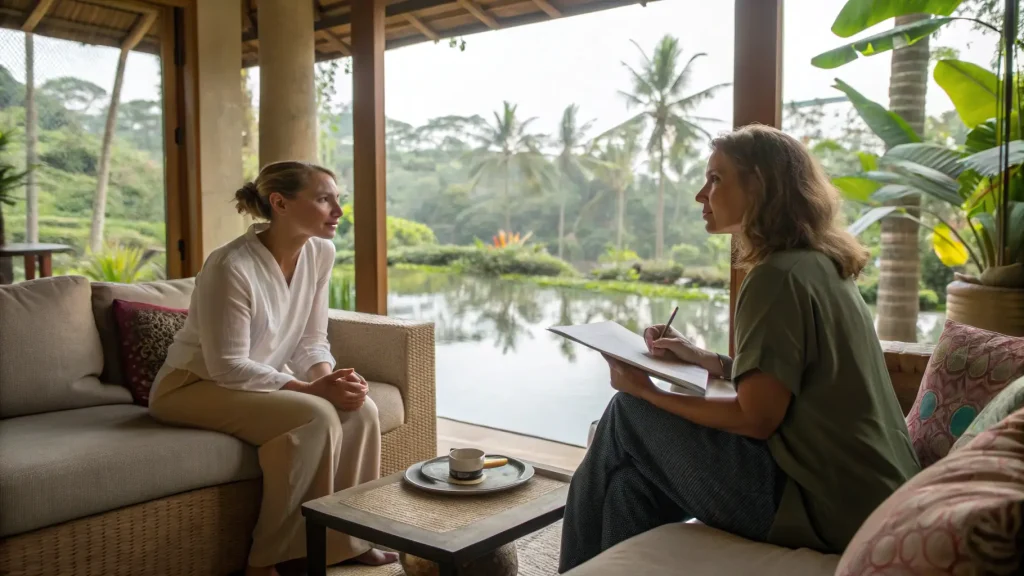
A silent meditation retreat in Bali follows a structured daily routine that typically begins between 4:30 and 5:30 in the morning and alternates sitting meditation, walking meditation, meals taken in silence, and rest until an early lights-out, all under a commitment called noble silence that suspends speaking, eye contact, and device use for the duration of the stay. Bali hosts silent formats ranging from single overnight programs to ten-day intensives, mostly around Ubud, Bedugul, and the island’s quieter uplands. This guide describes the routine hour by hour, explains the rules and why they exist, and helps you judge whether 2027 is the year to book your first silent stay.
What Does a Typical Day Look Like at a Bali Silent Retreat?
Most Bali silent retreats run fourteen to sixteen structured hours per day, and the schedule is deliberately repetitive so the mind stops anticipating and starts settling. While each center varies, the skeleton below is representative.
| Time | Activity |
|---|---|
| 04:30-05:00 | Wake-up bell, light stretching or washing |
| 05:00-06:30 | First sitting meditation |
| 06:30-08:00 | Silent breakfast and rest |
| 08:00-11:30 | Alternating sitting and walking meditation blocks |
| 11:30-13:00 | Silent lunch, the main meal of the day |
| 13:00-17:00 | Rest period, then afternoon meditation blocks |
| 17:00-18:00 | Light refreshment or tea |
| 18:00-20:30 | Evening sitting, teacher talk or guided instruction |
| 21:00 | Lights out |
Sitting periods usually last thirty to sixty minutes, separated by walking meditation that keeps the body comfortable across a long day. Teacher talks are the one scheduled time you will hear a voice at length, and brief private interviews with the teacher are typically available every day or two for practice questions.
What Are the Rules, and Why Do They Exist?
The core rule set at nearly every Bali silent retreat consists of noble silence, device surrender, modest dress, and abstaining from intoxicants, and each rule serves the same purpose: removing inputs so attention can turn inward. Noble silence goes beyond not talking; participants avoid eye contact, gestures, and note-passing, because even wordless communication restarts the social mind the retreat is trying to quiet. Phones are handed in or locked away at check-in. Reading and writing are often discouraged too, which surprises first-timers, but journaling can become another way of narrating rather than observing experience. Meals are vegetarian at most centers, eaten slowly and mindfully. Dress guidelines call for loose, modest clothing appropriate to a contemplative setting in Indonesia. None of these rules is punitive; centers apply them gently, and staff remain available to speak with you privately if a genuine need arises at any point.
How Should You Prepare for Your First Silent Retreat?
Preparation for a silent retreat is mostly subtraction: the fewer loose ends you carry through the gate, the easier the first day becomes. Practical steps that consistently help first-timers include the following.
- Establish a short daily sitting habit, even ten minutes, in the weeks before arrival.
- Reduce caffeine gradually beforehand to soften withdrawal headaches on retreat.
- Set an email auto-reply and brief your family, since you will be unreachable.
- Pack loose clothing, a light shawl for cool early mornings, and any cushion you prefer.
- Arrive in Bali a day early so travel fatigue does not collide with the 4:30 bell.
- Read the center’s schedule and rules in advance so nothing feels imposed on day one.
It also helps to set a modest intention. Going in hoping to simply complete the schedule honestly is a sturdier frame than chasing a dramatic breakthrough, and teachers themselves tend to encourage exactly that attitude.
Is a Silent Retreat in Bali Suitable for Beginners?
Beginners complete silent retreats in Bali every week, and the format is more accessible than its reputation suggests, provided the retreat length matches experience. A sensible progression is one to three nights for a first exposure, five nights once the routine feels familiar, and longer intensives only after that. A structured silent retreat bali package over three nights is the classic entry point: long enough for the mind to pass through initial restlessness, short enough that the commitment never feels overwhelming. People currently navigating acute grief, severe anxiety, or other significant mental-health challenges should treat silent intensives with caution and discuss plans with a qualified health professional first, since extended silence can amplify whatever is present. Centers ask about this at registration for good reason, and answering honestly is part of practicing well. This is general information rather than medical advice; your own clinician knows your situation best.
Which Silent Retreat Style Should You Choose in 2027?
Bali’s silent offerings in 2027 span traditional Vipassana-style courses, teacher-led mindfulness formats, and hybrid wellness retreats with daily silent blocks, and choosing among them is mainly a question of structure versus softness. Traditional courses are the most rigorous: fixed technique, full noble silence, minimal comfort, maximum depth. Teacher-led mindfulness retreats keep the silence but add gentler pacing, some guided sessions, and occasionally light movement like yoga or qigong. Hybrid formats, common around Ubud, wrap a few silent days inside a broader healing stay, which suits travelers combining several modalities in one trip. Solo travelers are notably well served; silence removes social pressure entirely, and many attend alone. If you are traveling on your own and want a program built with that in mind, a curated spiritual retreat bali option designed for solo guests pairs naturally with a silent block, either as preparation or as a gentler landing afterward.

Frequently Asked Questions
Can you leave a silent retreat early if it becomes too intense?
Yes, participation is voluntary at every reputable center, and you may withdraw by speaking privately with staff at any time. Teachers will usually encourage you to sit with difficulty for a day before deciding, because restlessness on days one and two is normal and typically passes. Refund policies vary by center, so read the cancellation terms before booking.
Do silent retreats in Bali allow any talking at all?
Structured exceptions exist within noble silence. Most centers hold brief teacher interviews every day or two where you may discuss your practice aloud, and staff can always be approached privately for health or logistical needs. Emergencies override silence immediately. Outside these channels, participants maintain silence with each other for the full duration, including at meals and in shared spaces.
What should you eat and drink during a silent retreat?
Centers provide simple vegetarian meals, typically a substantial breakfast and lunch with a light evening refreshment, and this rhythm supports alertness during long sitting hours. Water and herbal teas are freely available all day. Caffeine is limited or absent at many venues, which is why tapering your coffee intake during the week before arrival makes the first mornings noticeably easier.
How is a silent retreat different from a regular meditation retreat?
The difference is total environmental silence rather than more meditation hours. Regular retreats include discussion, social meals, and free evenings, while silent formats remove conversation, eye contact, and devices around the clock. That continuous quiet compounds: without social processing between sessions, concentration deepens faster, which is why even a three-night silent stay often feels more profound than a week of daily classes.

Reserve Your Place in the Quiet
We can match you with a silent retreat format, length, and location in Bali that fits your experience level and 2027 travel dates. Message us on WhatsApp at https://wa.me/6281128590000 or email sales@balipremiumtrip.com to check schedules and secure your spot.

Start Your *Healing* Journey
Tell us your dates, your pace, and what you hope to step away from — we send a written itinerary before any payment is requested.
Leave a Reply